
In the ever-churning endgame of Diablo 4, few activities have aged as gracefully as the Infernal Hordes. As of 2026, this rogue-like wave gauntlet still stands as one of the most reliable ways to stuff a character’s pockets with gear, gold, and Masterworking materials. The loop is simple on paper: fight through increasingly chaotic waves, collect Aether, then blow it all on chests at the end. But any veteran will admit that the real difference between a decent run and a 1,000-Aether jackpot comes down to one thing — choosing the right modifiers. It’s a bit like assembling a buffet plate: pile on the wrong dishes, and the whole run gets clogged before dessert.
The Hellborne Friendship Club
For anyone chasing maximum Aether, the Hellborne are not just enemies; they are walking, flaming piñatas. Specifically, the modifiers The Summoned Hellborne and The Burning Hellborne are the VIP passes to a bountiful run. Each one spawns Hellborne in a slightly different way, and grabbing both means their sources stack. Honest to Lilith, it feels like running two birthday parties at once.
Once those two are active, Surging Elite and Surging Hellborne become the next best picks. They crank up spawn rates so aggressively that the arena starts to look like a demonic flash mob. More Hellborne means more Aether, plain and simple. Some players chase Aether Lords thinking they’re the big-ticket option, but that’s a classic rookie move. Aether Lords take forever to bring down for what they drop, and they eat up event slots that could have gone to even more Hellborne. In other words, they are less “lords” and more like bouncers who won’t let the fun start.
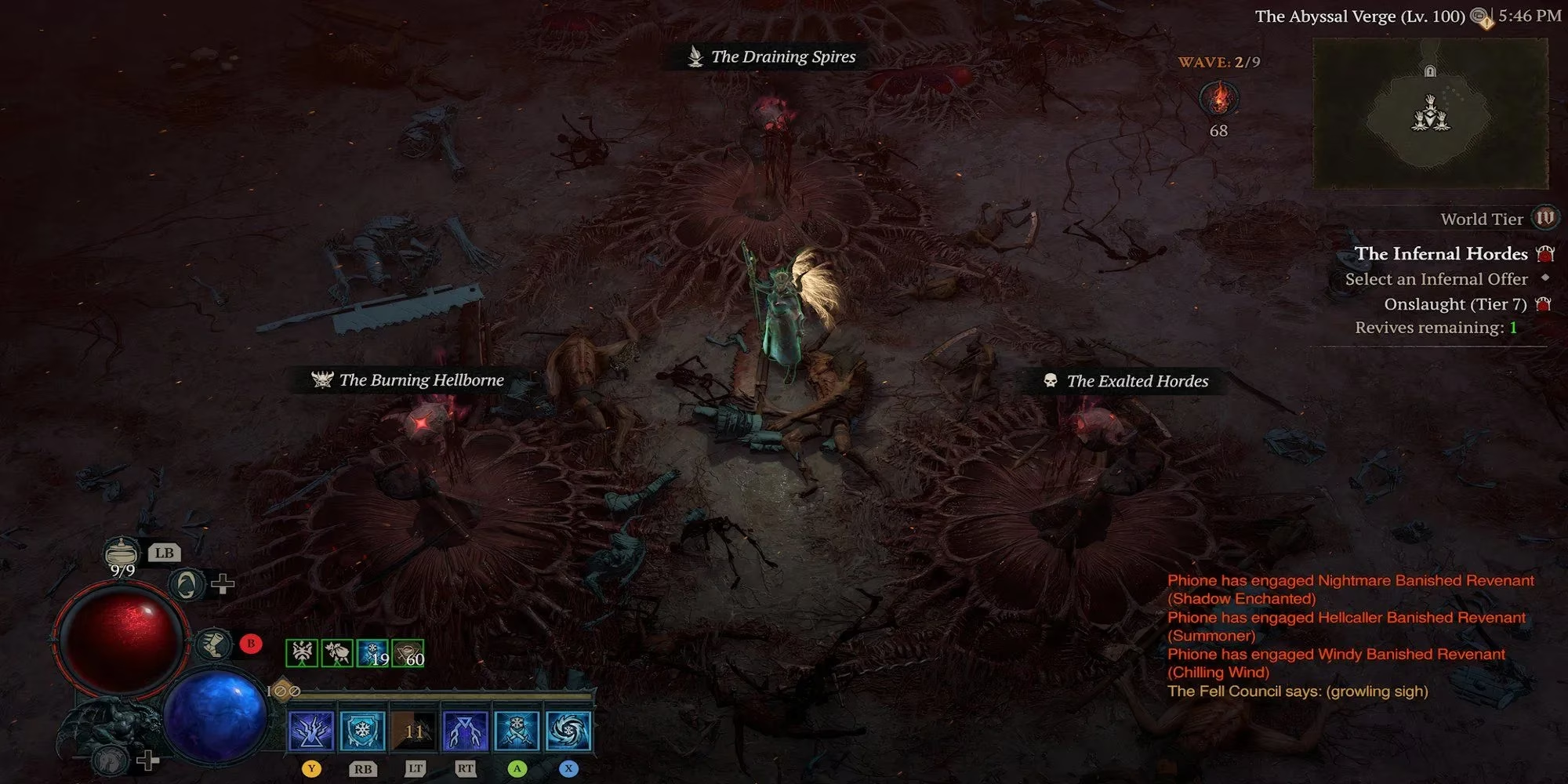
So — the golden rule is simple: pick Hellborne buffs, ignore Aether Lord bait, and watch the Aether counter climb toward four digits. There’s an undeniable joy in seeing a single wave spit out more Aether than a full run with bad modifiers would. Anyone aiming for 1,000 Aether per run should treat these choices as non-negotiable. Beyond Aether Lords, any modifier that inflates enemy health or cuts player damage should be skipped like a soggy sandwich. The faster enemies fall, the more events spawn, and the richer the run becomes.
Spending That Hard-Earned Aether
Once the run ends and the chests appear, the next dilemma hits: gear, gold, or materials? Players who need a specific Unique, like The Umbracrux for Rogues, may be tempted to dump everything into gear chests. There’s always a chance of landing a great Greater Affix roll, but that chance can also burn through Aether faster than a Sorcerer through mana.
For most players, the safest and most efficient choice is to pour Aether into materials. The Material chests drop Masterwork Materials and Stygian Stones, both of which are essential for finalizing builds. It may not feel as flashy as a shiny Unique, but a well-fed blacksmith is the backbone of any serious endgame push. Besides, masterworking gear directly makes future Infernal Hordes runs faster, which means more Aether per hour.
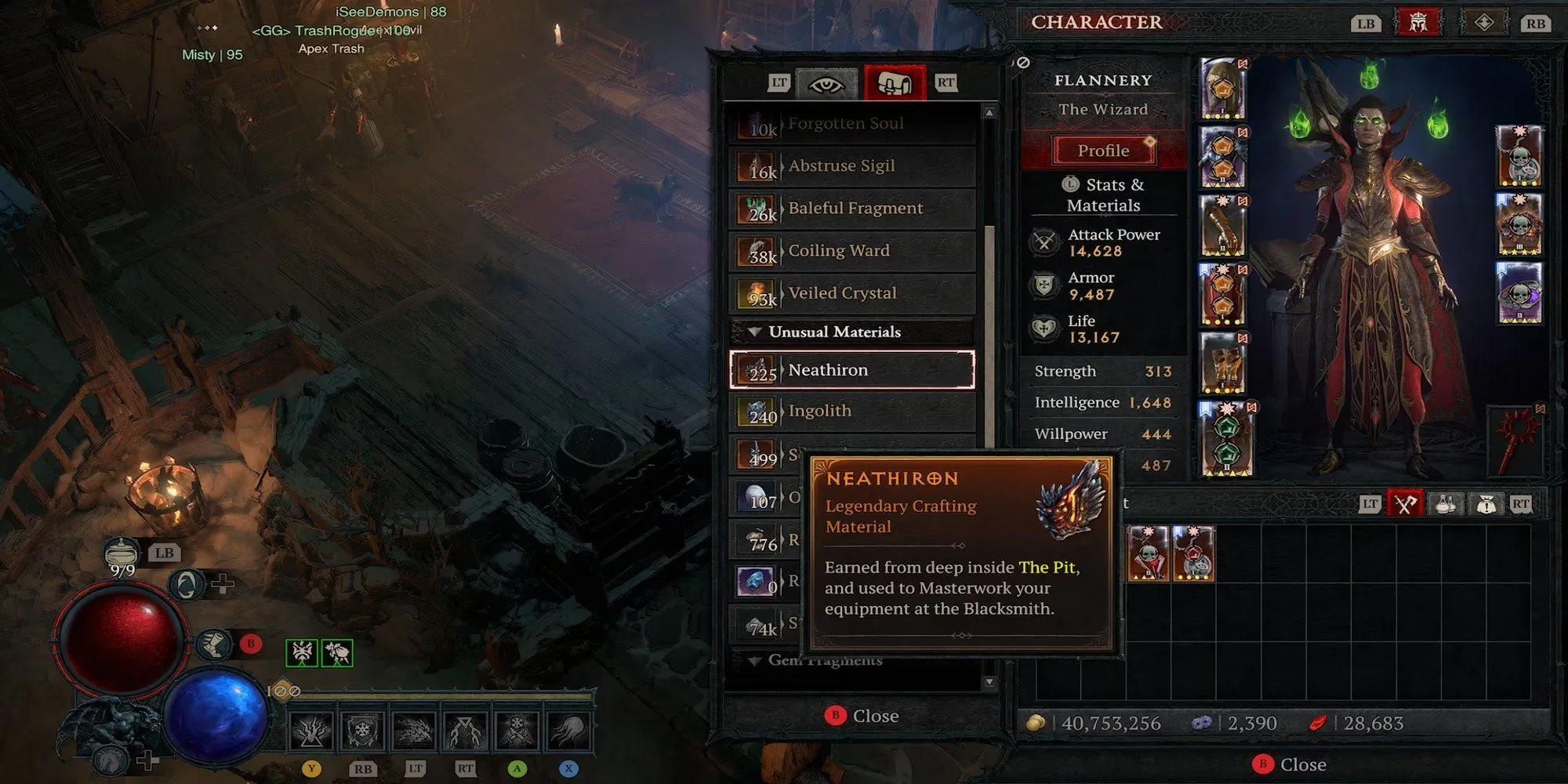
Higher-tier runs make the material strategy even sweeter. Tier 7 and Tier 8 Infernal Hordes can hand out hundreds of Neathiron per run. Compared to grinding the Artificer’s Pit, it’s like upgrading from a horse and buggy to a hellfire-powered motorcycle. Players who consistently choose the right modifiers and spend on materials will rarely find themselves short on gold or upgrade resources.
Naturally, there’s room for flexibility. If a new character needs a quick gear glow-up, a few gear chests won’t hurt. But for steady progression, materials are the quiet MVP of the Infernal Hordes economy.

In the end, the Infernal Hordes remains a beautiful little loop: take the right buffs, avoid the traps, spend smart, and then come back stronger. It’s a rare piece of Diablo 4 content that rewards both quick decision-making and long-term planning, all while showering players in enough loot to make Lilith herself blush. Just remember — when the Hellborne start multiplying, don’t panic. That’s exactly what everyone wants.