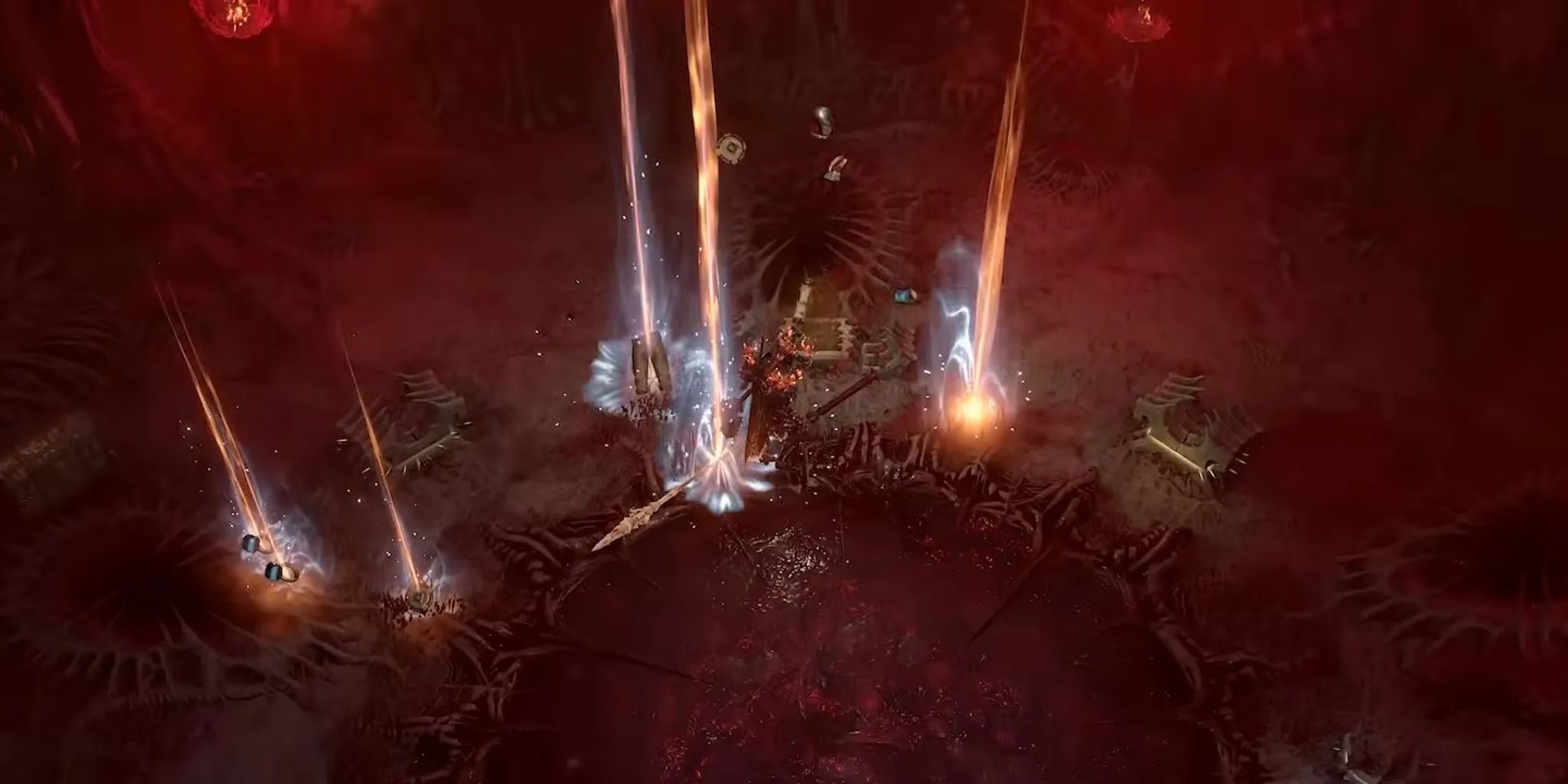
In 2026, Diablo 4's Infernal Hordes still carry the DNA that Season 5 introduced: tiered compasses, wave-based combat, Burning Aether, and a loot room that rewards preparation as much as raw damage. The mode is no longer a fresh seasonal novelty, but it remains a benchmark endgame activity for players chasing experience, gear, masterworking materials, gold, and new uniques. For anyone returning to Sanctuary after a break, the core lessons have not aged out. Plan first. Loot later.
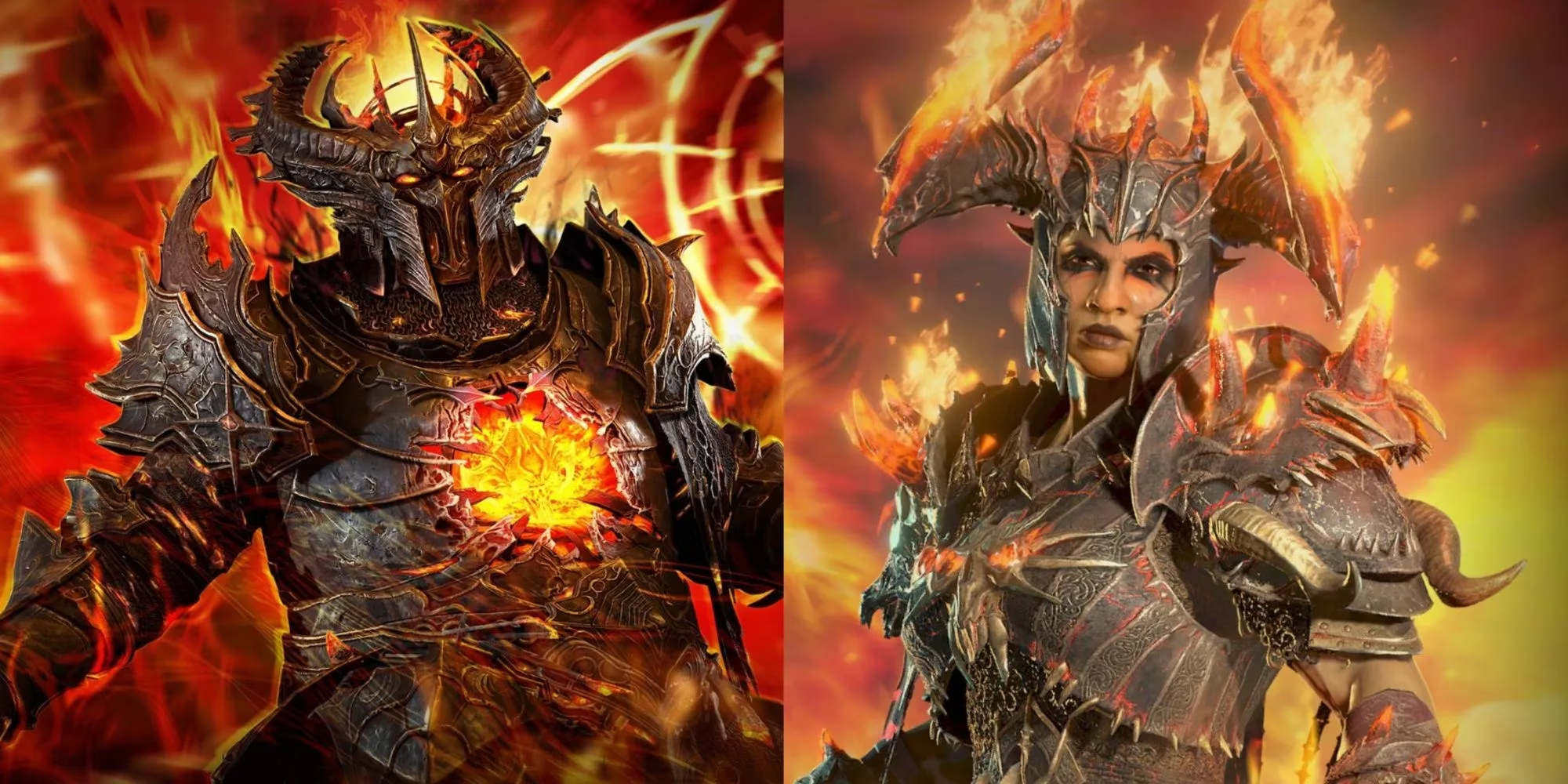
🔥 Unlocking the Gates
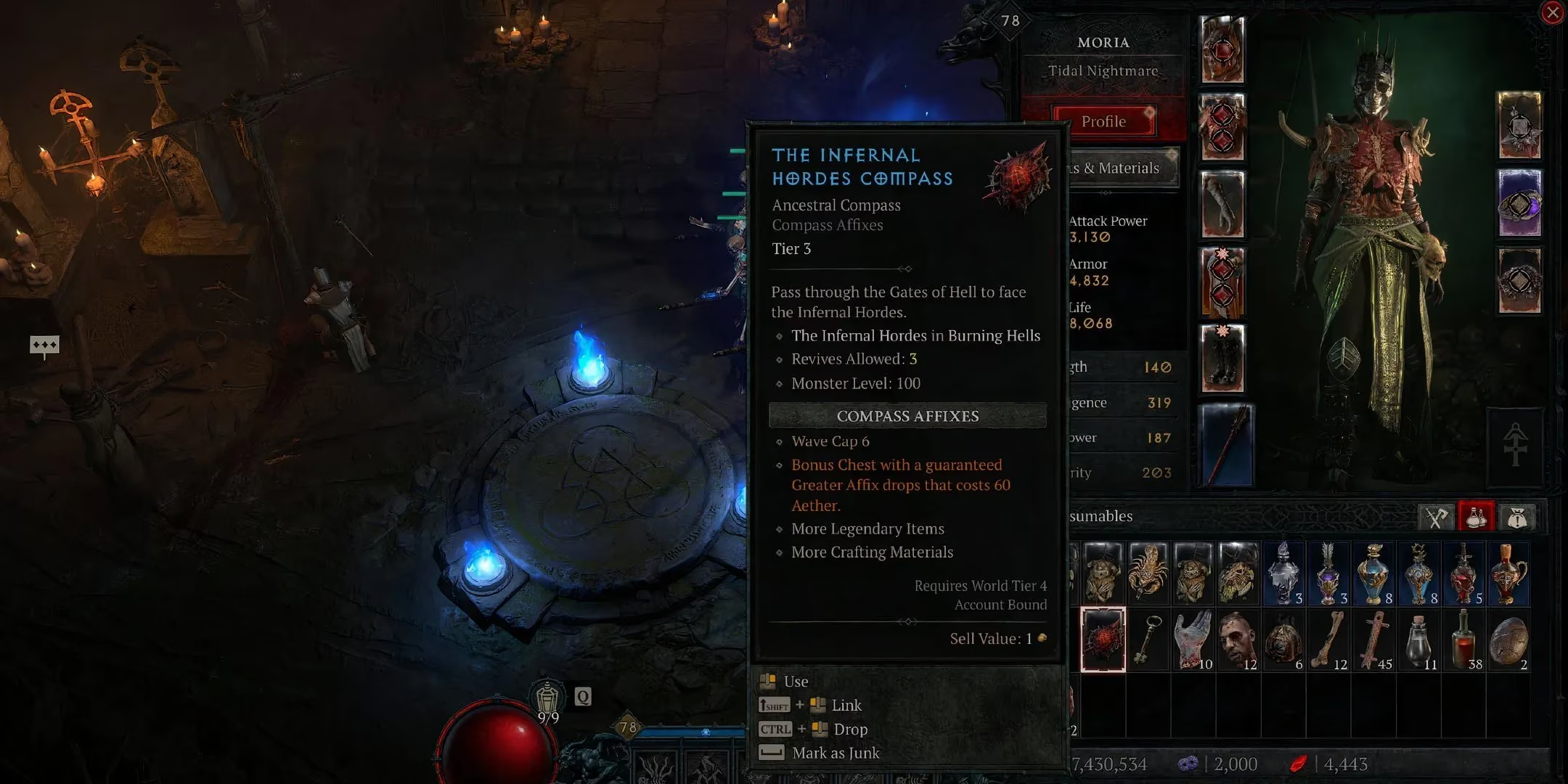
Players can begin the seasonal questline and progress through World Tier 1 and 2 until they reach a quest called Eyes of the Enemy in Zarbinzet. Alternatively, once a character has reached World Tier 3, that same questline can be started immediately in Zarbinzet without completing the earlier steps. Players then follow the Eyes of the Enemy chain to its conclusion and find themselves before the gates of hell with an Infernal Compass in hand. That compass is the entry ticket to the Infernal Hordes.
🧭 Compasses Are the Bouncer at the Door
The compass is the bouncer at the door: no tier, no entry. Each Infernal Compass sets the number of waves and the odds of richer rewards, with higher tiers offering longer runs and better loot chances. Players receive one compass from the quest chain, but the supply does not stop there. Helltides, Nightmare Dungeons, The Pit, Whisper Caches, and the Infernal Hordes themselves all feed the stockpile. The occultist can also craft compasses, and Abyssal Scrolls found by opening material chests inside the Hordes can upgrade a compass tier.
| Compass source | Why it matters |
|---|---|
| Helltides | A steady source for players already farming open-world content |
| Nightmare Dungeons | Fits naturally into masterworking and glyph routes |
| The Pit | Rewards endgame players pushing higher difficulty |
| Whisper Caches | A useful side reward for bounty-style play |
| Infernal Hordes | The mode helps sustain itself |
| Occultist crafting | Targeted access when a specific tier is needed |
🎁 Offerings: Pick a Lane and Stay in It
After each round, players choose from three Infernal Offerings. These offerings mix boons and banes, and they persist for the rest of the run. The right choices can flood a run with Burning Aether; the wrong ones can turn a comfortable wave into a headache. The guiding philosophy is to keep picking the same mechanic so rewards compound. Repeated Hellborne offerings, for example, spawn more Hellborne enemies and increase the Burning Aether gained from killing them. That is where the smart money goes. Players should buff one mechanic first, manage that single extra threat, and let the rewards stack.
⚔️ Builds, Respawn Limits, and the First Few Seconds
A solid build matters in every Diablo 4 activity, but Infernal Hordes punishes sloppy entries. Even softcore players can fail a run because respawns are limited. Some of the strongest options include Lightning Spear Sorcerer, Penetrating Shot Rogue, and Hammer of the Ancients Barbarian. Players whose survivability depends on buffs should be careful at the start of a Horde, since those buffs are not active until the rotation is underway. Higher tiers are especially unforgiving, and unprepared characters can be one-shot before the engine warms up.
After the waves end, the Fell Council is always eager to crash the party. Five bosses exist, three are chosen for the fight, and each attacks with a different element. Capped resistances are mandatory because players cannot know which elements will appear. The arena does not exactly roll out a welcome mat.
🗺️ Events, Minimap Discipline, and Efficient Aether
Events spawn during waves and give players objectives that award Burning Aether. Some are more efficient than others. Soulspires, for example, can be skipped when time is tight because their reward is relatively low. The minimap is not decoration: event symbols help players plan movement, break down an Aetheric Mass, or avoid an Aether Lord's initial spawn point.
Aetheric Masses only need to be triggered, not destroyed, for Aether Fiends to emerge. That lets players group the fiends with other enemies instead of standing still and grinding each mass down one at a time. Players should also remember that Aetheric Masses and Soulspires despawn as a wave lapses, while Aether Lords and Hellborne remain. Prioritize the events that are about to disappear, then handle the ones that linger. It is a simple habit that pays off.
| Event | Priority note |
|---|---|
| Soulspire | Lower Aether reward; skip when time is limited |
| Aetheric Mass | Trigger it, group the fiends, and keep moving |
| Aether Lord | Remains across waves; plan around the spawn point |
| Hellborne | Strong offering synergy and high Aether value |
💰 The Loot Room and the 2026 Takeaway
Burning Aether is spent on Spoils of Hell chests, and the more waves survived, the more gear and materials players can walk away with. Material chests can also yield Abyssal Scrolls for compass upgrades, which keeps the loop moving. In 2026, the Infernal Hordes remain a useful test of build quality, resistance planning, and event discipline. Players who treat the mode as a checklist often find the arena has a way of humbling them. Those who plan their compass, commit to their offerings, and respect the Fell Council keep coming back with fuller inventories.