
In the ever-shifting economy of Diablo 4, few seasonal discoveries age like a well-forged blade. A community guide from Reddit user dundiman, first circulated during Season 5, has resurfaced in 2026 as a compact case study in how Infernal Hordes rewards can be shaped by stacking specific events. The method centers on Hellborne and Elite boons, with the player reporting a peak run of 972 Burning Aether and 142 million gold in Tier 8. Season 5 has long since given way to later seasonal structures, but the guide remains a useful reference for players examining event density, risk management, and currency conversion in Diablo 4's roguelite mode.
⚔️ What the Infernal Hordes Actually Ask of Players
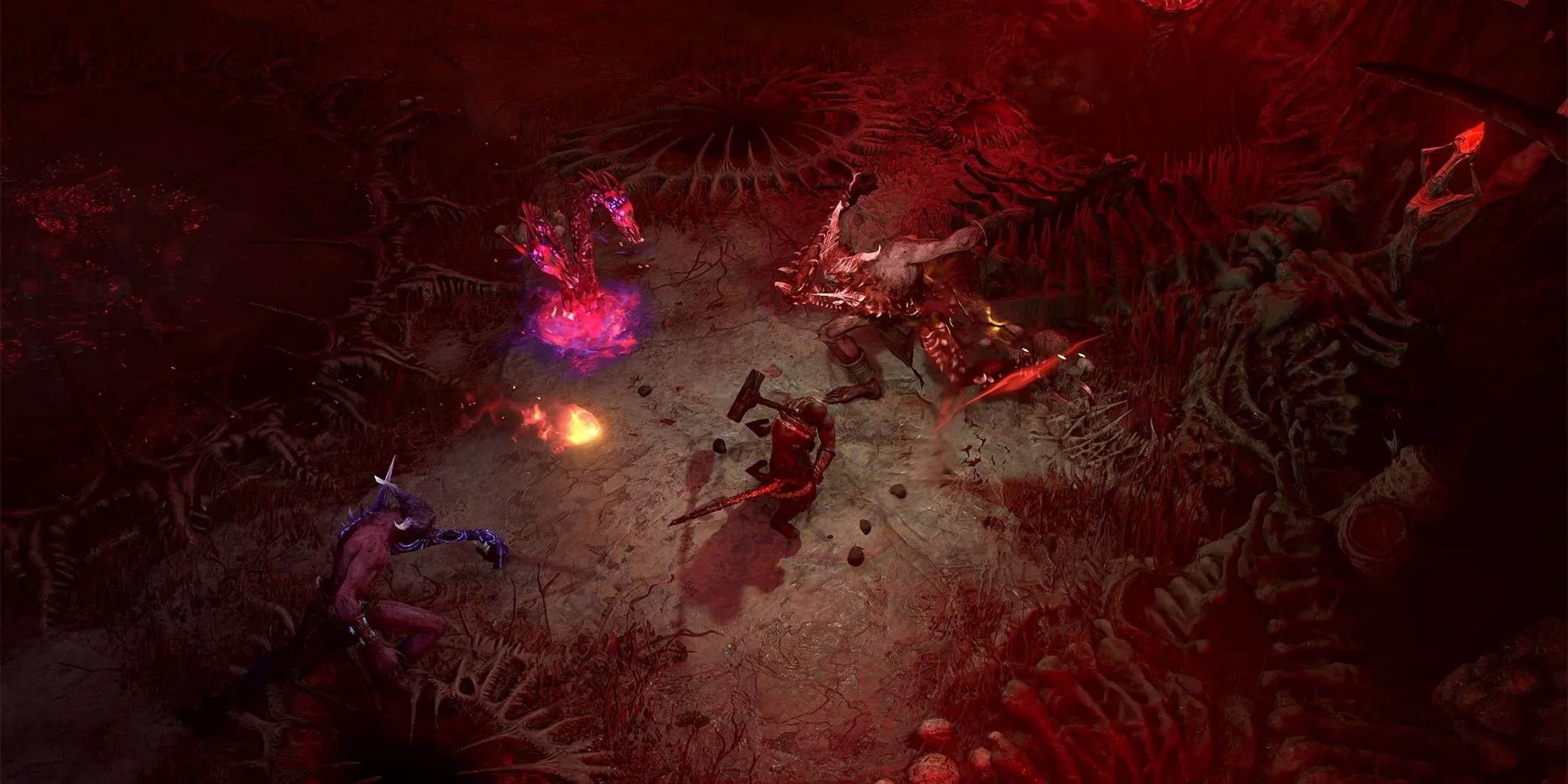
Infernal Hordes arrived in Diablo 4 Season 5 as a wave-based roguelite activity. Players fight through escalating enemy waves, choose boons at the end of each wave, and eventually confront the Fell Council, a group of Diablo 2 figures returning in Diablo 4. The mode spans tiers 1 through 8, with monster difficulty scaling by tier. Burning Aether is the mode's signature currency, and it is spent on Spoils of Hell chests after the run.
The appeal is simple: the mode turns enemy density into a ledger written in ash. Every boon choice adjusts how many foes appear, how dangerous they are, and how much Aether the run can generate. The dundiman guide treats that ledger as a focused optimization problem rather than a buffet. Rather than spreading boons across every event type, it recommends stacking Hellborne and Elite events to concentrate rewards.
🔥 The Stacking Strategy at a Glance
The guide's central claim is that Hellborne and Elite boons are the best events to stack for Burning Aether gains. By contrast, Aether Lords, Masses, and Spire events are described as less satisfactory for this particular farm. The logic is not that those events are useless in every context; it is that they do not compound the Aether yield as effectively when the goal is raw currency.
| Event or boon type | Guide's assessment | Practical reading |
|---|---|---|
| Hellborne | Best to stack | High-value target density and reward concentration |
| Elite | Best to stack | Strong Aether return when layered with Hellborne |
| Aether Lords | Less satisfactory | Situational value, weaker for pure Aether farming |
| Masses | Less satisfactory | Does not compound gains as reliably |
| Spire | Less satisfactory | Lower priority for this specific route |
This is less like painting a wall and more like tuning a clock by adding teeth to only two gears: the method deliberately narrows the inputs so the output can spike. Results still vary with RNG, boon timing, and player execution. The guide's reported best run, 972 Burning Aether and 142 million gold in Tier 8, is a high-water mark rather than a guaranteed payout.
💰 Turning Aether into Spoils of Hell
Burning Aether is only useful when converted into Spoils of Hell. The Season 5 vendor structure offered several chests:
| Cost | Chest | Reward focus |
|---|---|---|
| 20 Burning Aether | Spoils of Equipment | Legendary items or Mythic Uniques |
| 60 Burning Aether | Spoils of Greater Equipment | Same item pool with a guaranteed Greater Affix |
| 20 Burning Aether | Spoils of Materials | Assorted materials, including Masterworking resources |
For players chasing gear quality, the 60-Aether Greater Equipment chest is the headline option because of its guaranteed Greater Affix. For players short on crafting resources, the Materials chest offers a parallel route into Masterworking. The guide's farming method therefore does double duty: it increases the volume of Aether and gives players more choices at the conversion stage.
🧭 A 2026 Reading of a Season 5 Discovery
By 2026, Diablo 4 has moved through multiple seasonal iterations, and Season 5's exact boon pool and vendor costs should be treated as historical data. Blizzard routinely adjusts event weights, reward structures, and class balance. Players revisiting Infernal Hordes in later seasons should verify current patch notes before treating any old tier list as gospel. The enduring lesson is methodological: stack compatible events, avoid diluting the boon pool with low-synergy choices, and evaluate currency gains against the cost of the chests you actually need.
The dundiman guide is best understood as a snapshot of community experimentation, not a permanent law of Sanctuary. Its reported 972 Aether and 142 million gold run shows what concentrated event stacking can achieve under favorable conditions. For 2026 players, the safer takeaway is a habit of mind: treat every wave like a gardener who prunes all but two branches, and let the harvest, not the variety, decide the plan.
Final Takeaway
The Burning Aether farm is a reminder that Diablo 4's roguelite mode rewards deliberate choices as much as raw power. Hellborne and Elite stacking gave Season 5 players a clear target; Aether Lords, Masses, and Spire events were lower priorities for that specific goal. The Spoils of Hell table turned that Aether into equipment, Greater Affixes, and Masterworking materials. In 2026, the exact numbers may shift, but the principle remains: concentrate the run, convert the currency, and check the current season before committing.