
As a longtime Diablo player, I have spent the past two years measuring every promise Blizzard made around Vessel of Hatred against what actually landed in the live game. When the expansion arrived in October 2024, the headlines belonged to Mephisto, the jungle region of Nahantu, and the Spiritborn class. Those were the marquee additions, and they deserved the attention. But the feature I kept testing long after the campaign credits rolled was the Mercenaries system. In 2026, with several seasons behind us, I can finally say whether Vessel of Hatred's hired companions were a gimmick or a genuine shift for Diablo 4.
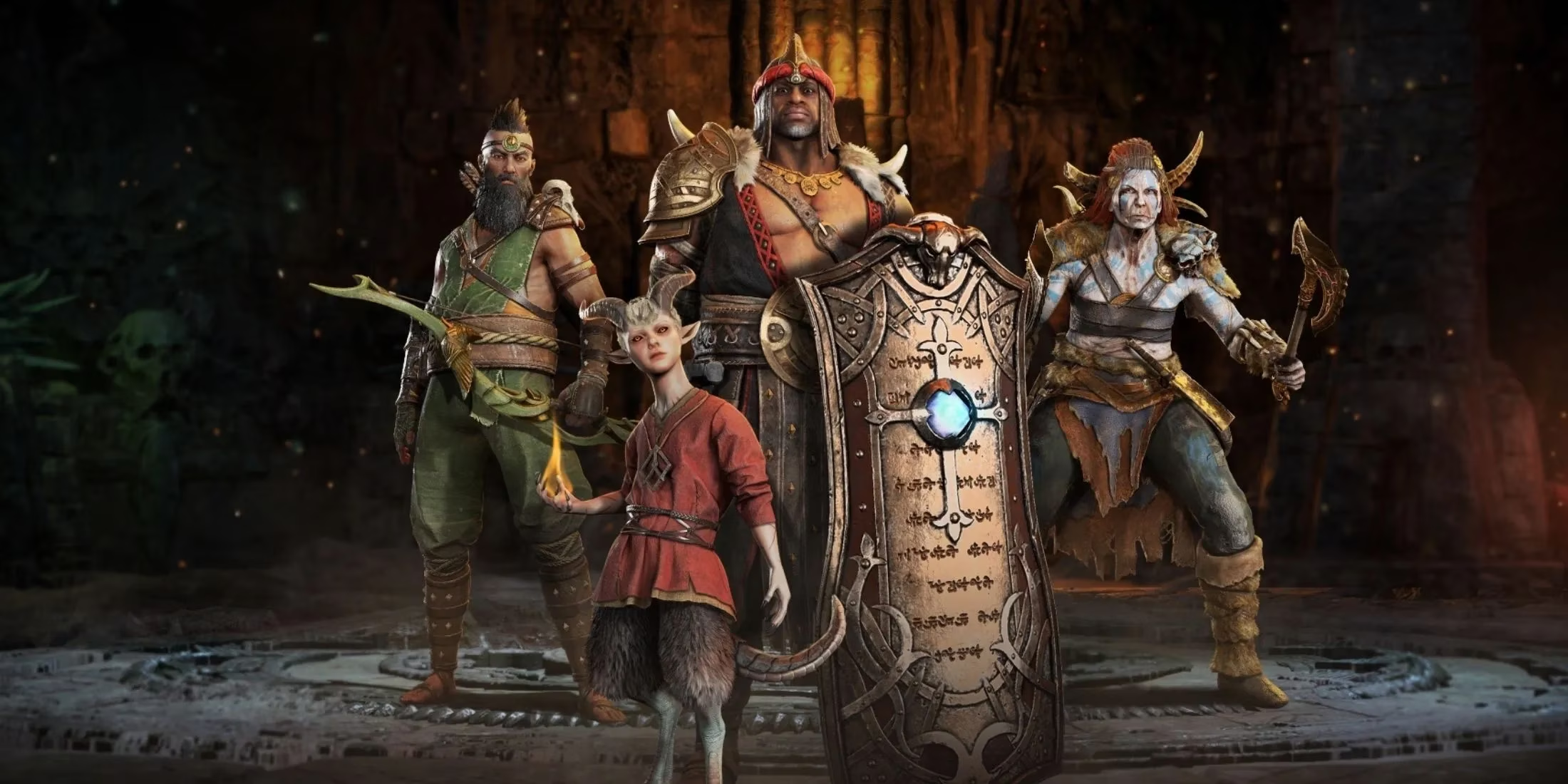
The early previews framed Mercenaries around four familiar RPG archetypes: tank, ranger, mage, and berserker. That structure made sense for a game that already asks players to solve combat through buildcrafting, positioning, and resource management. A tank could hold a choke point in Nahantu's dense jungle arenas; a ranger could pressure ranged threats; a mage could add elemental coverage; a berserker could turn a messy pack fight into controlled chaos. What mattered was not the archetype label but how much agency I had over the NPC. Diablo 4 had already experimented with companion-style systems in Season 3 through the Seneschal Construct, but that felt like a surface-level taste. Mercenaries promised something deeper, and for the most part, the expansion delivered a system that rewarded investment.
My early tests focused on customization. I wanted to know whether a hired Mercenary could become a real extension of my build rather than a passive stat stick. The answer, after several seasons of tinkering, is a qualified yes. Gear choices, role tuning, and party composition created enough meaningful decisions that I found myself planning Mercenary loadouts the way I plan skill rotations. A well-kitted tank changed how aggressively I could push into elite packs. A ranged specialist gave my Spiritborn more breathing room against Mephisto's heavier encounters. The system did not erase the need for personal skill, but it did create a new layer of preparation that felt native to Diablo 4's action RPG loop.
| Archetype | Role I tested | What worked | What needed work |
|---|---|---|---|
| Tank | Frontline anchor | Held aggro and stabilized risky pulls | Occasionally blurred with player positioning |
| Ranger | Ranged pressure | Added coverage against scattered enemies | Felt less impactful in tight corridors |
| Mage | Elemental support | Synergized with Spiritborn damage windows | Required more careful gear tuning |
| Berserker | Aggressive burst | Created chaotic but fun pack clears | Could overextend without support |
The biggest surprise was how much Mercenaries changed my endgame rhythm. Diablo 3's Followers were useful, but they often felt like background utilities. Diablo 2's hirelings had more personality and risk, and Vessel of Hatred clearly tried to expand on that older idea with more modern customization. In 2026, I can see the lineage clearly: the system sits between those two extremes, offering more depth than a simple follower but less micromanagement than a full second character. That middle ground is exactly where Diablo 4 needed to be careful, and it is also where the system succeeds most often.
A few things still bother me. The Mercenaries can become so strong with the right setup that some encounters lose tension. When my customized party melts an onslaught before I can fully engage, the victory feels less like a hard-won battle and more like a build-check formality. I have also seen seasons where the meta pushed certain archetypes far ahead of others, which undercuts the fantasy of choosing the companion that fits my playstyle. The system is at its best when it feels like a tool for expression, not a required checkbox for efficiency.
What keeps me positive is the synergy with Spiritborn and Nahantu. The jungle setting encourages mobility and vertical thinking, and a well-chosen Mercenary can cover the weaknesses of a Spiritborn build without erasing its identity. Mephisto's story presence gives the expansion a harrowing center, but the Mercenaries give the moment-to-moment gameplay a new texture. They are not the star of Vessel of Hatred, and they do not need to be. They are the supporting cast that makes the star look better.
So here is my 2026 verdict: Mercenaries were not a flop, and they were not a revolution. They were a bold, sometimes messy, ultimately worthwhile update that gave Diablo 4 players another layer of party planning to enjoy. If Blizzard continues to refine customization, balance the archetypes, and resist the urge to make hired companions mandatory, the system can remain one of Vessel of Hatred's most interesting legacies. The Spiritborn and Mephisto may have sold the expansion, but the Mercenaries are the feature I keep returning to when I want to feel like I am building a team rather than simply clearing a dungeon.