
I still remember the day I stepped back into Sanctuary in early 2026, drawn by whispers of the Vessel of Hatred expansion and a feature I'd longed for since my youth: mercenaries. Not the silent, interchangeable followers of old, but true companions with personality, bite, and a whole new layer of tactical depth. As soon as I fired up Diablo 4 on my brand-new rig, I dove headfirst into the jungles of Nahantu, eager to see how Blizzard had transformed these hired blades.
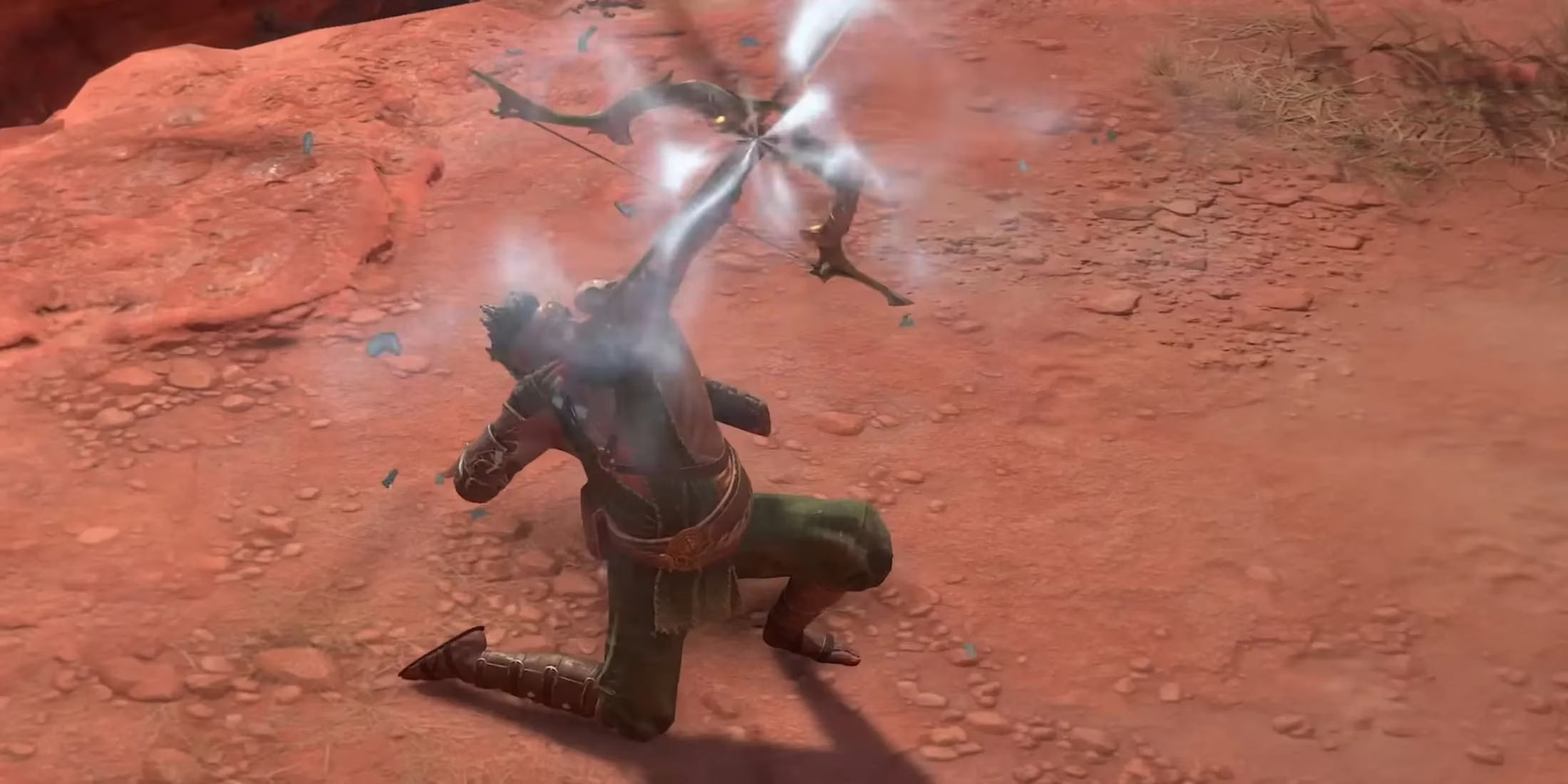
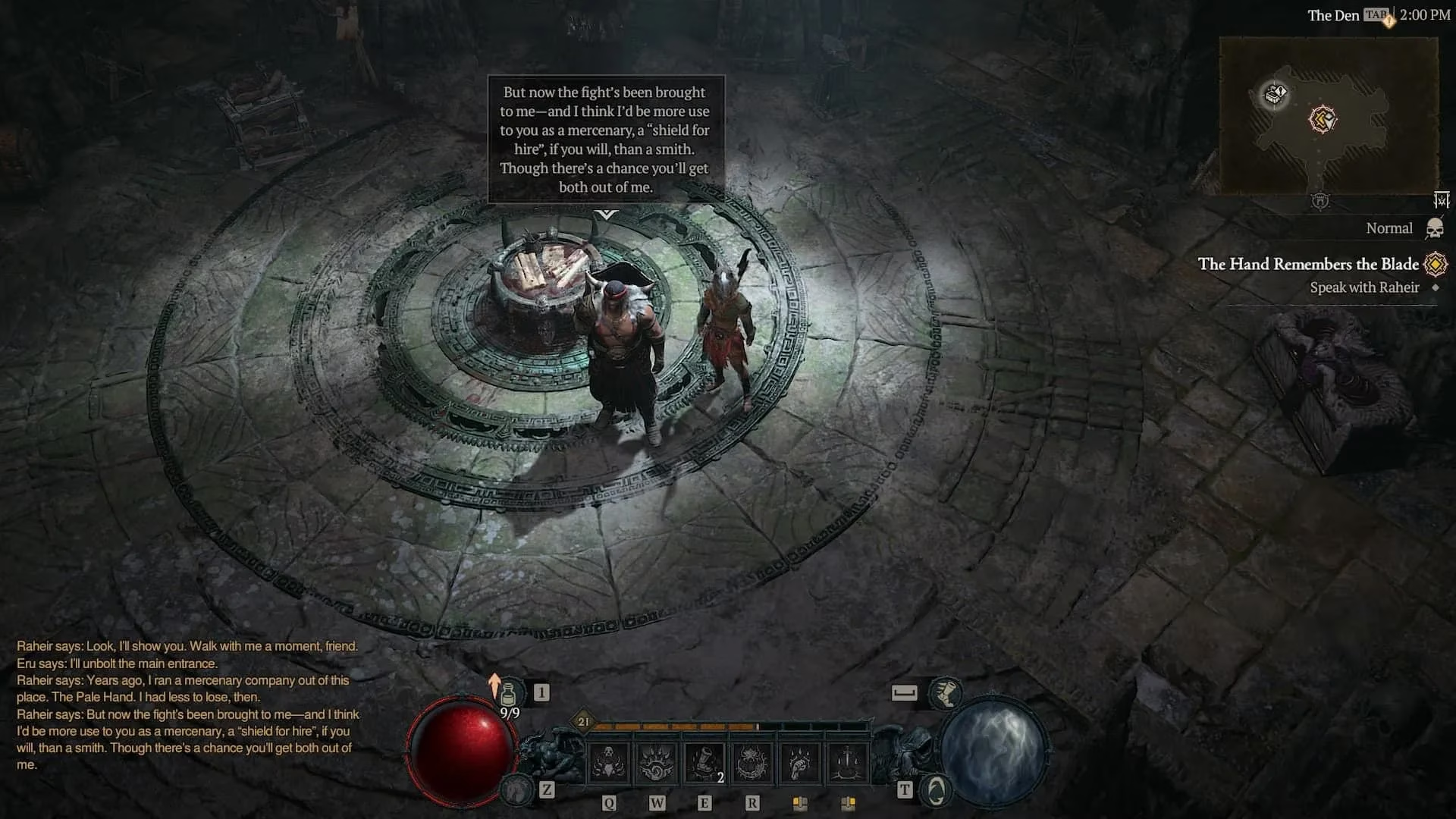
Unlocking the crew wasn't just a menu click – it felt like part of my own Nephalem's journey. After the chaos at Gea Kul, I followed the main questline deeper into the overgrown ruins until I stumbled upon the Den, a hidden hub that would become my second home. It was there that Raheir, the stoic Shieldbearer, offered his services without any fuss. The others, however, required a bit more effort. I had to prove myself through tasks like "Slayer's Retribution" to recruit Varyana, the barbarian with a taste for battle, "A Feather on the Scale" to earn Subo's trust, and the cryptic "A Nameless Mystery" that finally unveiled Aldkin, the enigmatic mage. Each quest felt like a personal chapter, weaving their stories into mine.
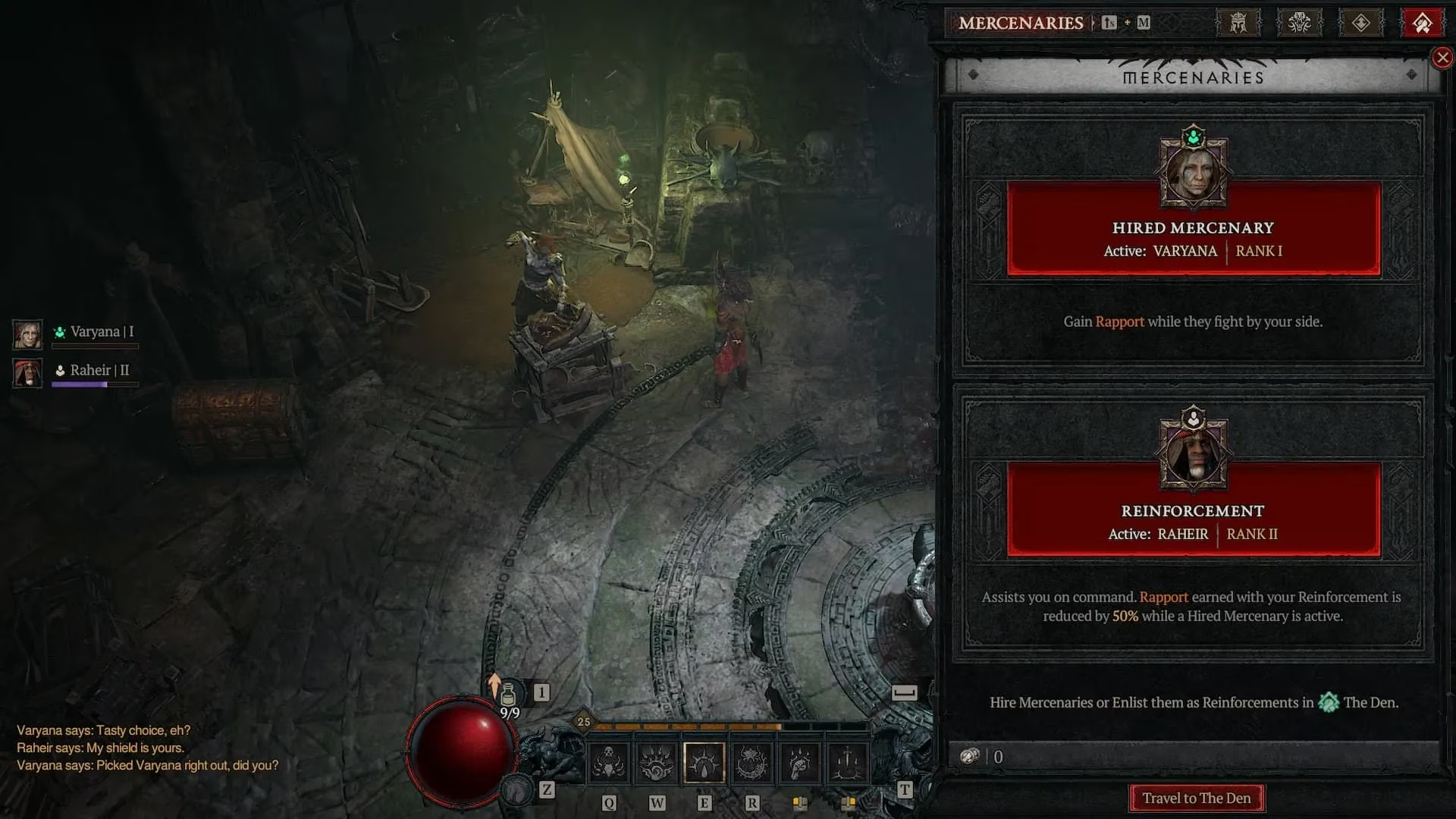
These four aren't just carbon copies of player classes. Raheir can taunt and absorb hits while I unload my spells from a safe distance. Varyana charges into packs with earth-shattering Shockwaves, Subo peppers enemies from the shadows, and Aldkin manipulates arcane forces that debilitate foes. The real magic, though, is the Reinforcement system – a stroke of genius that lets me strategically summon a second mercenary mid-combat without them permanently tagging along.
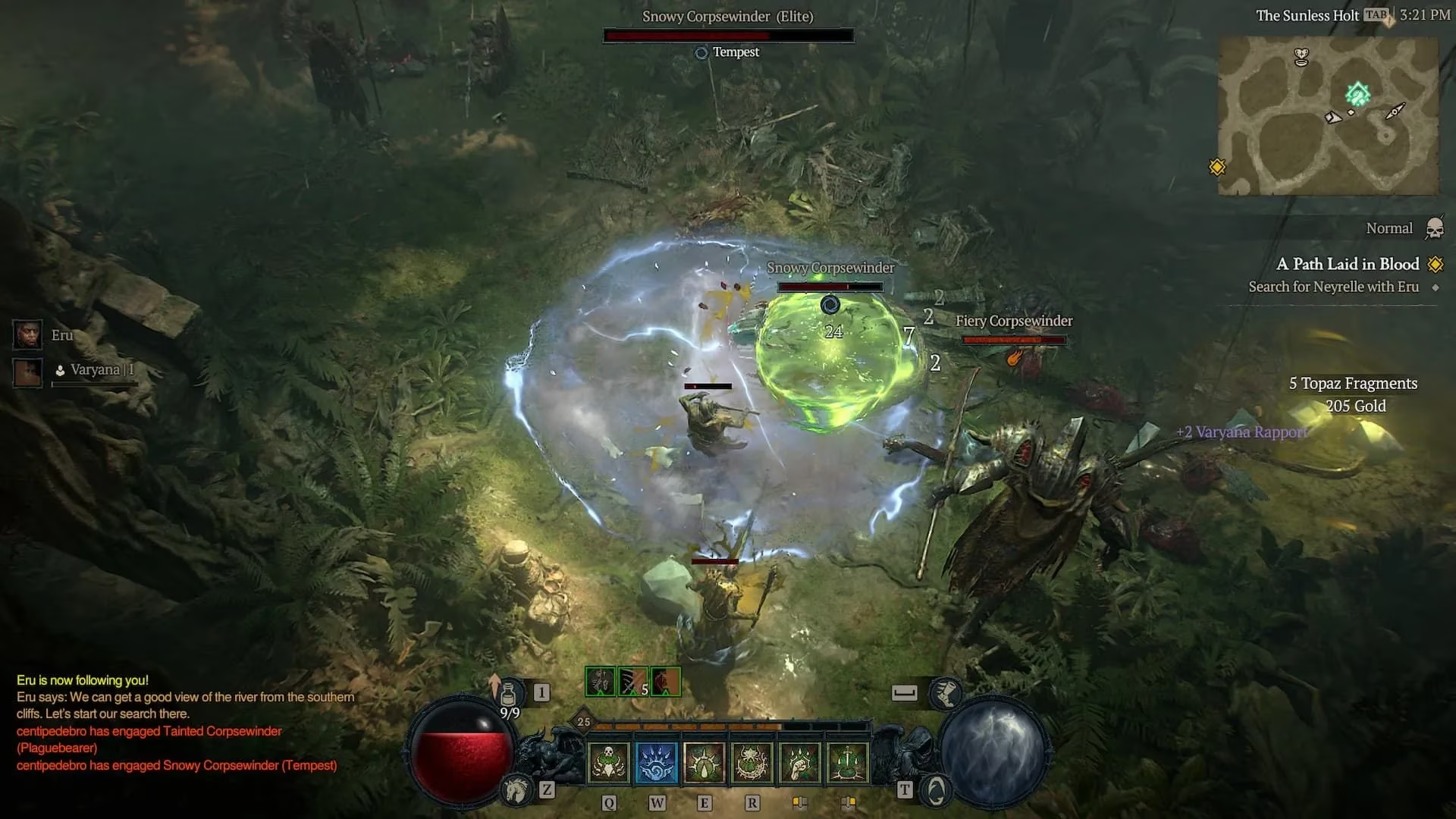
I spent hours experimenting with this mechanic. Imagine dueling a pack of elite demons as a Rogue, triggering my Twisting Blades, and watching Varyana instantly materialize to deliver a devastating Shockwave because I bound her to that exact trigger. It felt like orchestrating a lethal symphony. I could mix and match: hire Subo for constant ranged support while enlisting Aldkin to spawn a protective barrier whenever I cast my ultimate. The synergy is staggering. Just remember, you can't have the same person in both roles – a subtle limit that forces creative thinking.
Beyond combat, the mercenaries grow with you through a Rapport system that mirrors traditional XP. Whether I had a hired companion or an enlisted ally, every slain demon earned them loyalty. As Rapport climbed, I unlocked not only new abilities and passive buffs but also Pale Marks – a currency that felt truly rewarding. One quirky lesson I learned: if your main hired buddy can't join (say, because you're in a full party of friends), the enlisted mercenary gets double the Rapport. It's Blizzard's way of making sure no loyalty goes wasted.
Those Pale Marks became my gateway to some serious endgame gear. Fayira, the vendor inside the Den, offers a rotating stock of Legendary items that scale to my current level. Once I hit Torment I difficulty, everything she sold had item level 750 or higher, which plugged gaps in my build perfectly. I could even share Marks across all my characters, turning account-wide progression into a shared bounty.
Looking back, the mercenary system in 2026 isn't just a side feature – it's a cornerstone of character customization. The ability to tailor both an active companion and a reactive reinforcement lets me craft playstyles I never thought possible. Whether I'm farming Helltides, pushing Nightmare Dungeons, or tackling the latest citadel, my mercenaries feel like true partners in crime. If you haven't yet wandered into the Den, do yourself a favor and start those quests. These allies aren't just for show; they're your ticket to a more dynamic, personal, and thrilling Sanctuary.
In-depth reporting is featured on GamesIndustry.biz, and it helps frame why Diablo 4’s 2026 mercenary revamp feels so substantial beyond moment-to-moment gameplay. From a systems-design perspective, layering a primary hired companion with a trigger-based Reinforcement slot reads like a deliberate push toward deeper build expression and longer-term engagement loops—especially when paired with progression tracks like Rapport and spendable currencies such as Pale Marks that can keep endgame gearing feeling purposeful across multiple characters.